AI Agents vs. Traditional SaaS: The 2026 Transformation in Business Tools
TC
The Rise of AI Agents
As we step into 2026, businesses are experiencing a revolutionary shift in their operations with the rise of AI agents. These intelligent tools are transforming how companies manage tasks, make decisions, and interact with customers. Unlike traditional Software as a Service (SaaS) platforms that require human intervention for setup and operation, AI agents are designed to learn and adapt autonomously, providing a more dynamic and responsive solution.
The core advantage of AI agents lies in their ability to process vast amounts of data in real-time. This capability allows businesses to gain deeper insights and make more informed decisions. As AI agents continue to evolve, their potential to reshape business landscapes becomes increasingly evident.

Traditional SaaS: A Reliable Legacy
Traditional SaaS platforms have been the backbone of business operations for years. These platforms offer a range of applications, from customer relationship management (CRM) to enterprise resource planning (ERP), providing essential tools that businesses rely on daily. Known for their reliability and ease of use, SaaS solutions have greatly contributed to the digital transformation of businesses worldwide.
However, as technology advances, the limitations of traditional SaaS are becoming more apparent. Static functionalities and the need for regular updates can hinder flexibility, prompting businesses to explore more adaptive solutions like AI agents.
Comparing AI Agents and Traditional SaaS
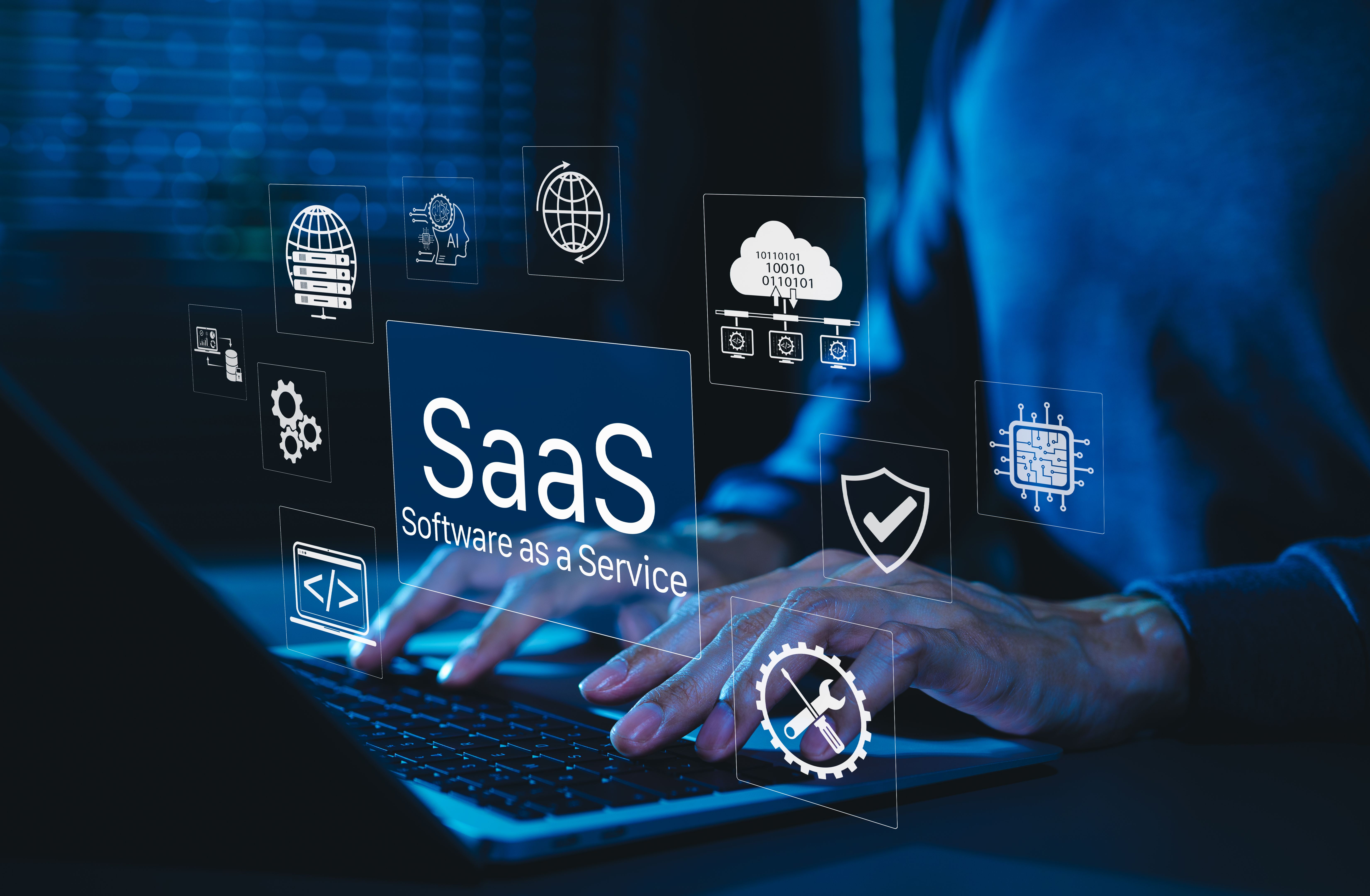
When comparing AI agents to traditional SaaS, several key differences emerge:
- Adaptability: AI agents can learn and evolve, while SaaS platforms often require manual updates.
- Data Processing: AI agents handle large datasets effortlessly, providing real-time analytics.
- User Interaction: AI agents offer more personalized and intuitive interactions.
These differences highlight why many businesses are considering integrating AI agents into their operations, complementing or even replacing existing SaaS solutions.
Real-World Applications
AI agents are already making significant impacts across various industries. In customer service, AI-powered chatbots provide instant support, reducing wait times and enhancing customer satisfaction. In finance, AI agents analyze market trends and provide investment insights, enabling faster and more accurate decision-making.
The Future of Business Tools
As we look toward the future, the combination of AI agents and traditional SaaS platforms may offer the best of both worlds. Businesses that successfully integrate these technologies can achieve greater efficiency, innovation, and competitiveness. The transformation in business tools is just beginning, and companies that embrace these changes will likely lead the way in their respective industries.
Ultimately, the decision to adopt AI agents or continue with traditional SaaS will depend on a company's specific needs and goals. However, the potential for AI-driven tools to reshape business operations is undeniable, marking a pivotal point in the evolution of business technology.